StoneEra
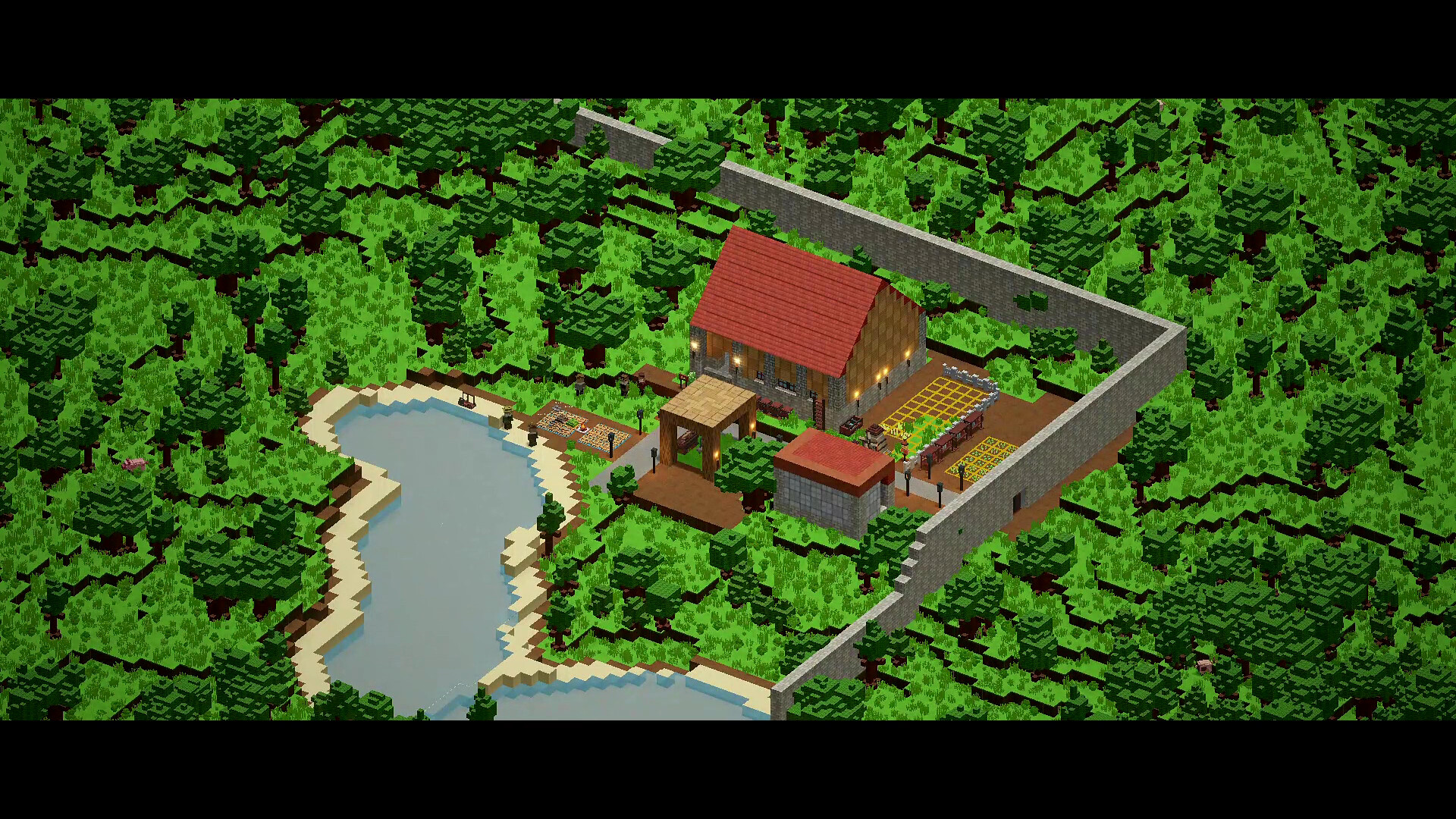
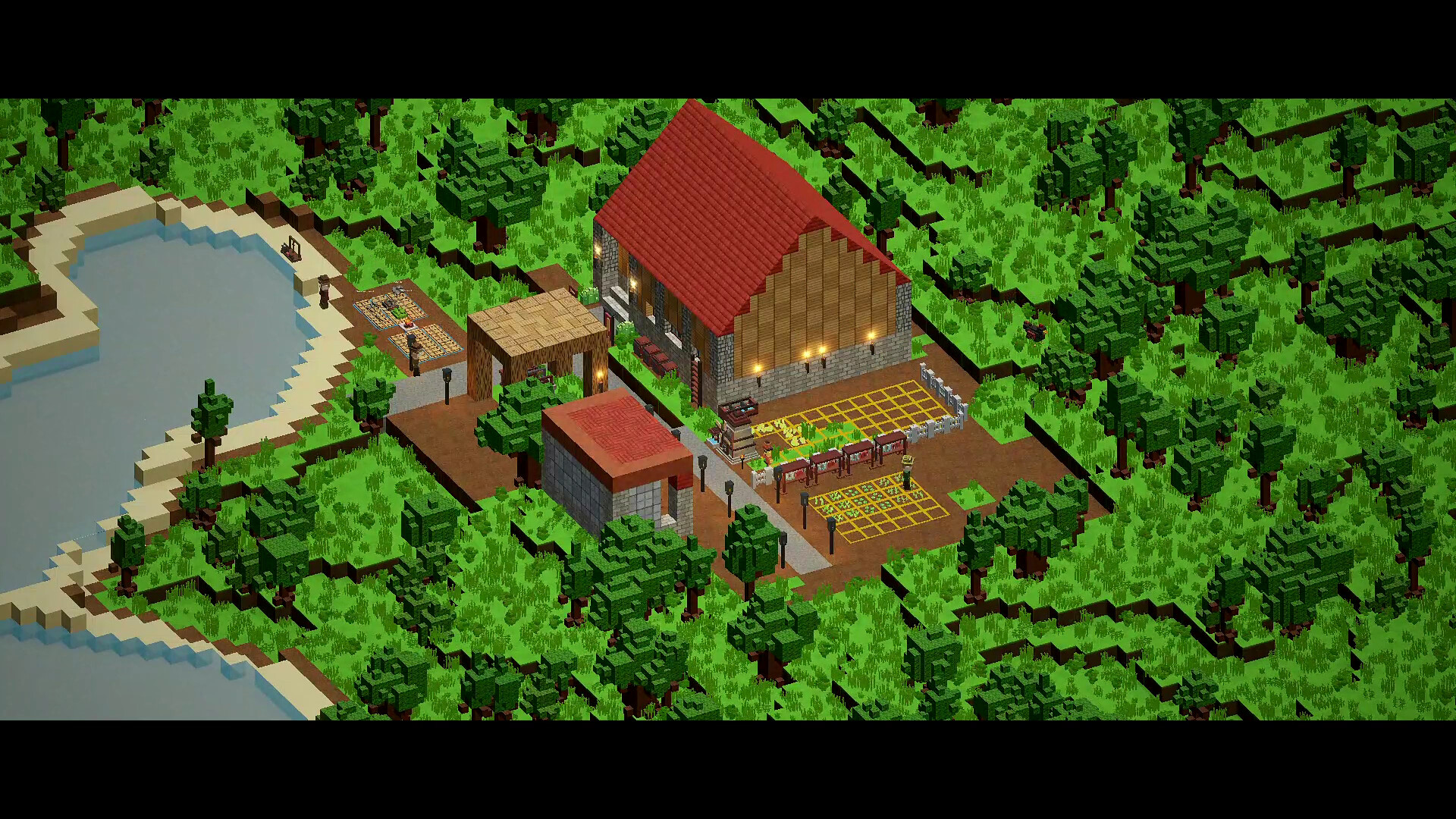
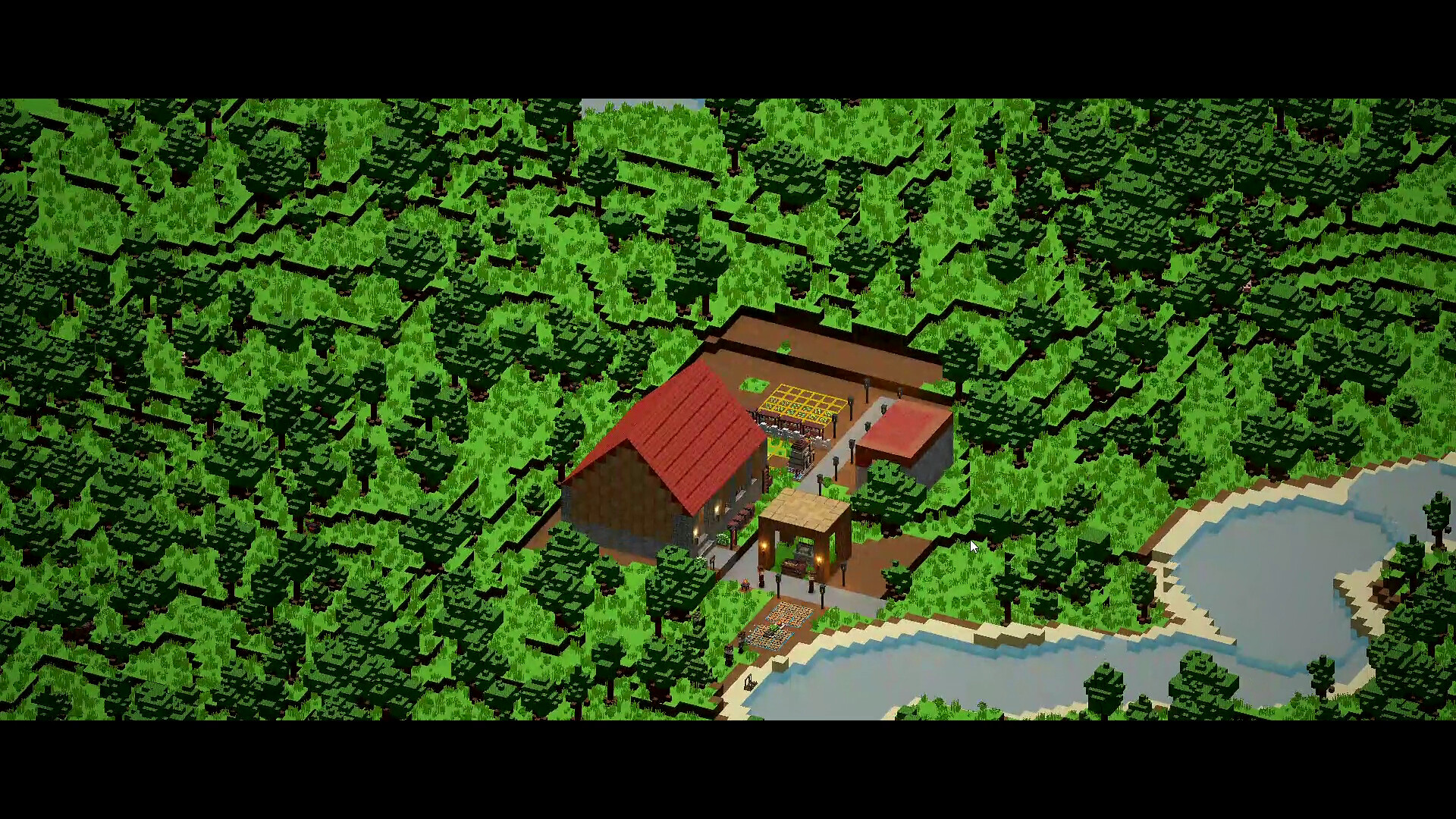
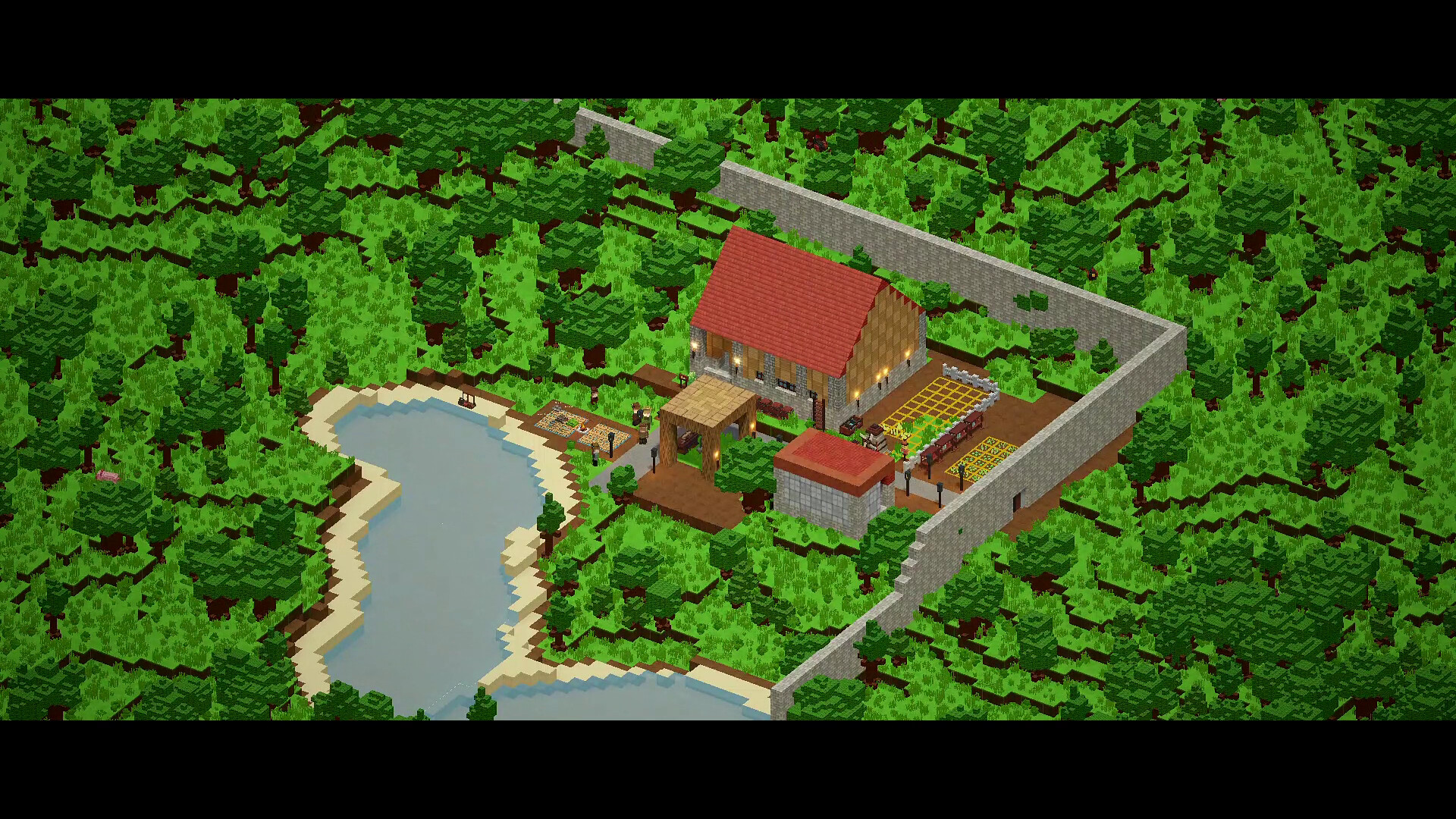
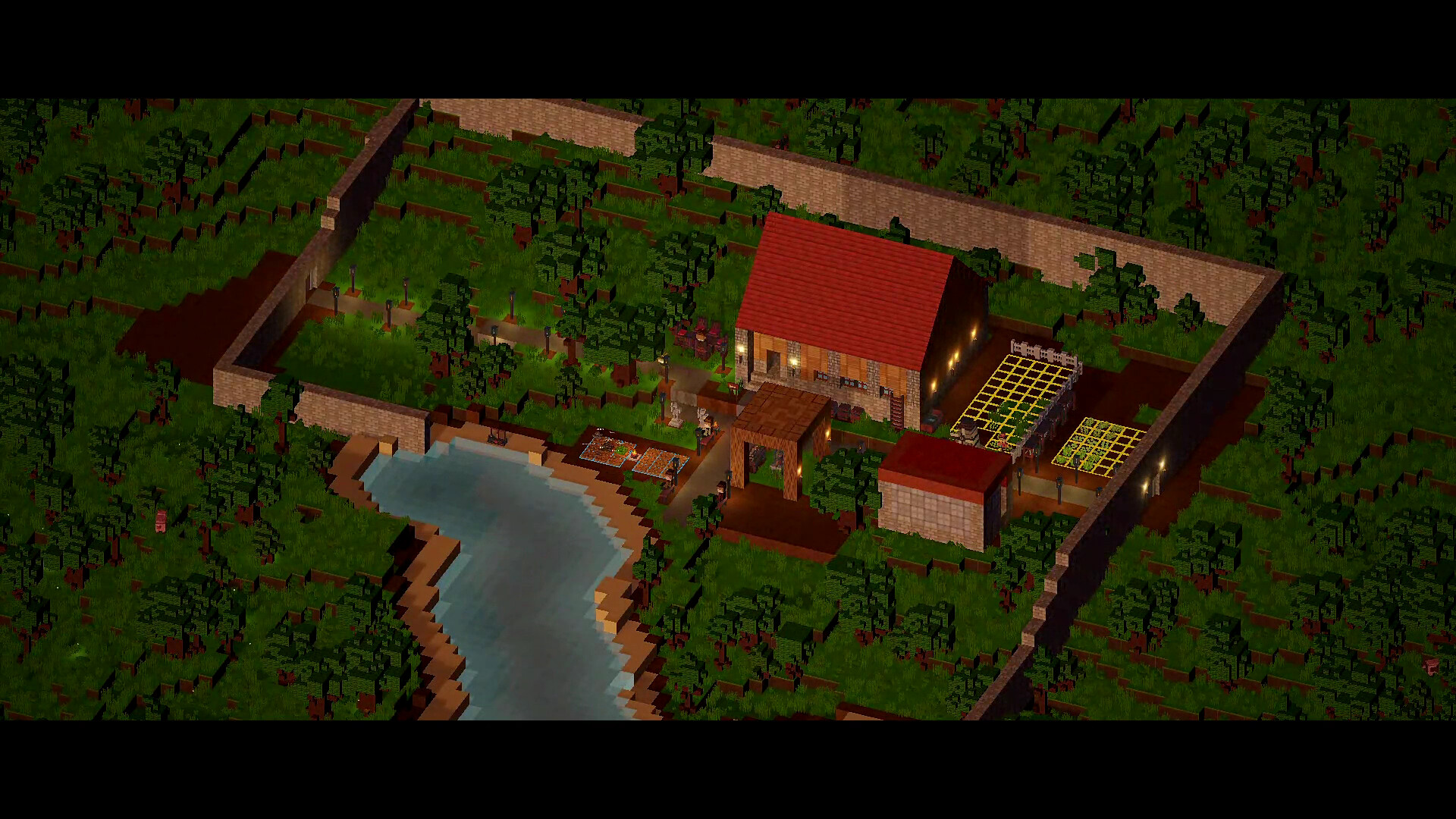
Build, manage, and expand a medieval voxel colony in a procedurally generated world. Gather resources, assign AI-controlled villagers, reshape the terrain, survive changing seasons, and grow your settlement block by block.
Screenshots


Trailer
 ▶
Videos
Technical Architecture
- Engine: Unity 6 / C# / Universal Render Pipeline (URP)
- AI Systems: Needs, skills and work priorities; shared jobs and reservations; HTN/GOAP prerequisite planning; custom A* navigation; wildlife state machines.
- State/Architecture: Custom chunked voxel simulation; separate world data and rendering; MonoBehaviour components; incremental scheduling; versioned saves.
- Status: Developer Confirmed
Technical deep-dive
Runtime and world data
StoneEra uses Unity 6, C# and URP, with a custom voxel simulation. World state lives in chunked data structures; MonoBehaviour components connect the simulation to input, rendering, animation and the Unity lifecycle. World data and view objects have separate responsibilities.
Seeded generation builds terrain, biomes, rivers, caves, ore and vegetation in world coordinates. Voxels use flat arrays inside chunks. Rendering builds chunk meshes with separate water and vegetation views. Terrain edits mark affected chunks and neighbouring boundaries dirty, notify dependent systems and trigger local rebuilds.
Resident AI and shared work
Villagers combine needs, skills, work preferences and player priorities. Gathering, mining, farming, construction and production systems publish jobs to a world-local task registry. Workers claim tasks through shared scheduling and reservation rules, while food, rest and danger can interrupt ordinary work.
Planning prerequisites
Blocked orders keep their original goal. The planner uses HTN-style domain grounding to assemble relevant actions and GOAP-style search to compare sequences of preconditions, effects and costs. Costs account for work time, travel, materials, risk, skill success and work priorities.
For example, a construction task waiting for planks can request the wood and carpentry work needed to supply them before delivery resumes. Helpers execute real jobs through the existing work providers. Shared prerequisites are coordinated across goals, with finite output and reserved cargo accounted for so one promised batch cannot satisfy every waiting job.
Access planning can request permitted excavation, support or scaffolding. These changes respect player permissions, construction costs and safe removal of access built for the goal. The Task List exposes waiting states and reasons for blocked work.
Physical logistics
Resources move through crates, stockpiles, resident inventories and workstations. Jobs reserve actual material quantities, container capacity and worker ownership. Production consumes real inputs and creates outputs. Delivery, cancellation and save restoration use the same cargo ownership and stock accounting systems.
Navigation in an editable world
Custom A* searches use voxel terrain and placeable surfaces, actor dimensions, support height, slopes and body clearance. Navigation handles multiple floors, bridges, scaffolds and doors. Direct segments and final interaction points are checked against physical movement constraints.
Queued searches advance within operation budgets. Residents yield in crowds, detect stalls and retry with alternative routes. Relevant terrain and obstacle changes trigger route validation or replanning, and remembered danger influences route costs.
Water and wildlife
Finite water tracks quantities in voxel cells and responds to terrain changes and hydraulic connections. Channels, pipes, dams, pumps and water-driven mechanisms connect terrain editing with the settlement's waterworks and production systems.
Wildlife uses species-specific behavior for movement, feeding, sleeping and hunting, alongside shared life, breeding and save systems. Animal navigation uses movement profiles appropriate to each actor.
Scheduling and persistence
Generation, work selection, navigation and planning use incremental updates and bounded service slices. Spatial indexes, ready-task buckets and revision tracking reduce repeated searches and help systems react to changed world facts. A search that reaches its budget reports that limit rather than treating the goal as proven impossible.
Compressed, versioned saves store the world and persistent entity state. Readers support older save versions, while transient plans and runtime views are rebuilt from restored data.
StoneEra is in active development, with a free demo available on Steam. The full game is coming soon: StoneEra on Steam.
About StoneEra
Build, manage, and expand a medieval voxel colony in a procedurally generated world. Gather resources, assign AI-controlled villagers, reshape the terrain, survive changing seasons, and grow your settlement block by block.
No recent Steam announcements were found for this title.
Imported from StoneEra on Steam. Steam genres: Indie, Simulation, Strategy.